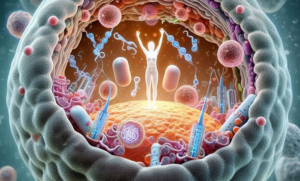

Intermittent fasting is a pattern of eating that alternates between feeding and fasting windows. Autophagy is a cellular repair process that increases during low energy states.
The connection lies in timing.
When you eat, insulin rises and growth pathways remain active. When you fast for several hours, insulin drops and the body begins shifting toward stored energy. This shift supports activation of repair pathways linked to autophagy.
Common intermittent fasting patterns include:
1. 12:12 Window
Twelve hours of eating and twelve hours of fasting.
2. 16:8 Window
Sixteen hours of fasting with an eight-hour eating window.
3. 24-Hour Fast
One full day of fasting once or twice per week.
Autophagy does not switch on at a fixed hour. Activation depends on metabolic state, activity level, and prior nutrition.
Intermittent fasting creates repeated low-energy periods. These windows give the body opportunity to move from constant growth toward maintenance and repair.
Balance remains important. Fasting should not lead to malnutrition or extreme restriction. Proper hydration and balanced meals during eating windows support stability.
Intermittent fasting is a structure. Autophagy is the biological response to energy regulation.
- Good to Know
Longer fasting windows increase likelihood of repair pathway activation.
Consistency produces more stable metabolic adaptation than sporadic extremes.
- ☕ Tips for Today
- Start with a 12-hour overnight fasting window.
- Avoid late-night snacking.
- Break your fast with a balanced meal.
- 🔔 What’s Next


Was this Blog Post useful to you?