
Growing in Discipline After the Fast
A fast does not end when the meal returns. Its purpose is lasting discipline. Fasting trains the will. The hunger you endured strengthens self-control. The question is what you do

A fast does not end when the meal returns. Its purpose is lasting discipline. Fasting trains the will. The hunger you endured strengthens self-control. The question is what you do
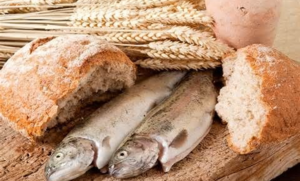
Fasting is simple, yet it is easy to approach it the wrong way. A few common errors weaken its spiritual fruit. 1. Focusing Only on FoodFasting is more than reducing
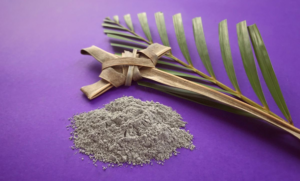
The Church sets aside two days each year for obligatory fasting: Ash Wednesday and Good Friday. These days frame the beginning and the climax of Lent. Ash Wednesday marks the

Lent is the most recognized season of fasting in the Church. It is a forty day period of prayer, penance, and preparation for Easter. The model for Lenten fasting is

Hunger during a fast is not wasted. It can become prayer. When you feel physical hunger, you have a choice. You can focus on discomfort, or you can offer it

Fasting has long been linked with repentance. It expresses sorrow for sin and a desire to return to God. In Joel 2:12–13, the Lord calls His people to return with

Fasting and prayer belong together. One strengthens the other. Without prayer, fasting becomes a diet. Without fasting, prayer can lose focus. When united, they deepen trust in God. In Matthew

Fasting begins in the heart before it reaches the body. Without interior preparation, fasting becomes routine. With the right disposition, it becomes prayer. In Psalm 51:10, David prays, “Create in
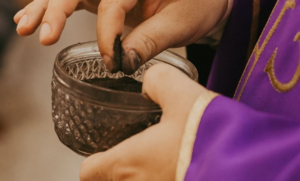
Fasting is spiritual, yet the body plays a role. Preparation helps you fast with focus and balance. The Church teaches care for the body. In 1 Corinthians 6:19–20, Saint Paul

Fasting involves sacrifice. You give up something good for a greater good. Sacrifice is part of salvation history. In the Old Testament, offerings expressed worship, repentance, and thanksgiving. These sacrifices