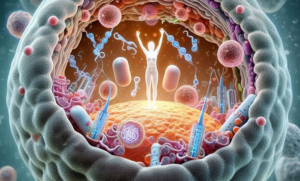

Autophagy increases as the body remains in a low energy state. The exact timing varies between individuals.
After eating, the body uses circulating glucose for energy. Within several hours, insulin begins to fall. Around 12 hours, glycogen stores start to decline. As fasting continues, the body shifts toward fat use and deeper metabolic adaptation.
Research suggests:
1. 12–16 Hours
Early metabolic shift begins. Insulin drops and fat use increases.
2. 18–24 Hours
Repair pathways become more active in many individuals.
3. 24+ Hours
Autophagy markers rise further, though responses vary.
These timeframes are not fixed. Age, body composition, activity level, and diet influence timing.
Longer fasting does not always mean better results. Excessive duration without guidance may lead to fatigue or nutrient imbalance.
A steady approach is more sustainable:
• Begin with consistent overnight fasting.
• Gradually extend the window if appropriate.
• Maintain balanced nutrition during eating periods.
Autophagy responds to energy balance, not extreme restriction. Structure and consistency support long-term results.
- Good to Know
Autophagy increases gradually, not instantly.
Exercise may enhance similar repair pathways.
- ☕ Tips for Today
- Maintain a consistent overnight fasting window.
- Avoid late-night meals.
- Focus on nutrient-dense foods during eating periods.
- 🔔 What’s Next


Was this Blog Post useful to you?